
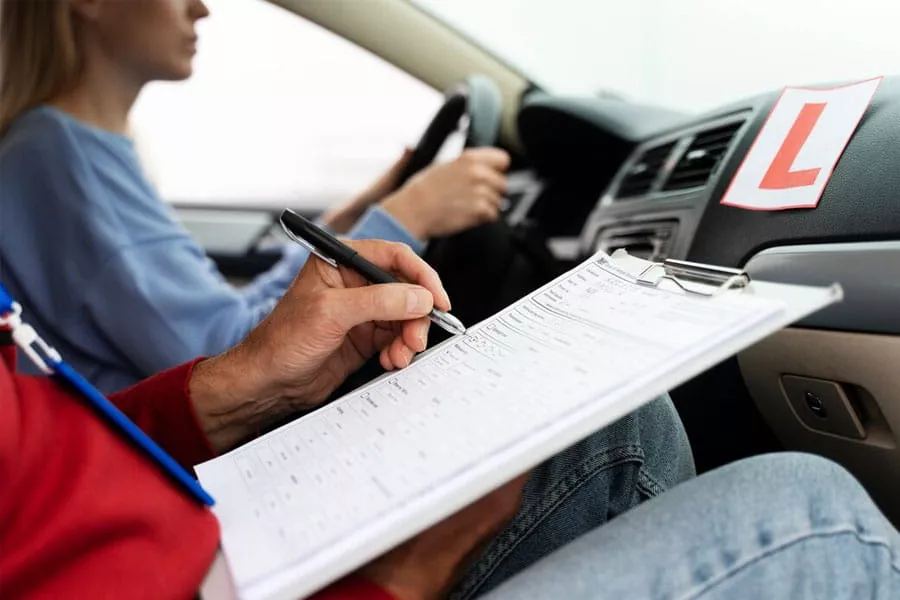
Your driver’s test marks a big milestone. You feel excited. However, you may also feel nervous. That feeling is normal. Luckily, correct preparation is a big deal.
Many students’ failures can be attributed to their failure to notice trivial details. Others panic under pressure. As such, you require an outline. This teacher-authenticated checklist will make you focused and sure.
Let’s break it down step by step.
1. Review the Driver’s Manual Carefully
First, revisit your state driver’s manual. Do not skim it. Instead, review key rules carefully.
Focus on speed limits, right-of-way rules, and road signs. Additionally, study parking rules and school zone laws. These areas often cause mistakes.
Even if you passed the written test, refresh your memory. Rules fade over time. Therefore, regular review strengthens recall during the exam.
2. Practice Core Driving Skills Daily
Practice builds confidence. However, practice must be intentional.
Work on these essential skills:
- Smooth acceleration and braking
- Complete stops at stop signs
- Proper mirror checks
- Blind spot checks
- Safe lane changes
- Parallel parking
- Three-point turns
Moreover, practice in different traffic conditions. Drive during busy hours. Drive in light traffic. This variety prepares you for anything. Consistency matters. Short, daily sessions work better than long, random drives.
3. Master Parallel Parking
Parallel parking often creates stress. However, it becomes simple with repetition. Use cones or markers to simulate cars: practice spacing and steering control. Move slowly and steadily. Do not rush.
Additionally, learn reference points in your vehicle. They help you judge distance. As a result, you park with precision.
4. Eliminate Common Mistakes
Small mistakes cause many failures. Therefore, fix them early.
Avoid these common errors:
- Rolling stops
- Forgetting blind spot checks
- Driving too slowly
- Speeding slightly over the limit
- Improper hand positioning
Ask someone to observe your driving. Honest feedback helps. Furthermore, recording practice sessions can reveal habits you miss.

5. Take a Mock Road Test
A mock test reduces anxiety. It prepares you for real pressure. Ask a licensed adult or instructor to act as the examiner. Follow directions exactly as you would on test day. Avoid casual conversation.
Treat it seriously. This approach builds mental readiness. Consequently, the real exam feels familiar.
Midway through preparation, many learners seek structured support. Schools like All Class Drivers guide students through realistic test simulations. Their mission is simple: to provide a premium, effective driver education and testing experience. That focus helps students feel prepared and calm.
6. Know the Test Day Requirements
Preparation includes logistics. Therefore, confirm all documents in advance.
Bring:
- Your learner’s permit
- Required identification
- Completed practice log
- Automobile insurance and registration.
Also, check the car you’ll be driving. Mirrors, lights, signals, and check brakes. Make sure everything operates correctly.
On failure to pass an inspection, examiners can cancel the test. Thus, do a final verification the previous night.
7. Enhance Offensive Driving
Examiners seek enlightenment. They want safe drivers, not perfect drivers. Keep a safe following distance. Scan intersections early. Check mirrors every few seconds. Anticipate pedestrian movement.
Furthermore, signal early and clearly. Maintain steady speed. Standardizing control is an impressive attribute. Defensive driving demonstrates wisdom on the road. It therefore increases your chances of passing.
8. Prepare Mentally
Success does not require just skills. Mindset matters equally. Sleep well the night before. Eat a light meal. Reach early enough to avoid being in a hurry.
When taking the test, breathe slowly. Pay attention to the instructions. In the event of any little slip, keep calm. Do not dwell on it.
Questioners are conscious of minor mistakes. But bigger mistakes are made when one panics. As such, pay attention to the current moment.
9. Dress and Professional Dressing.
Perception is affected by your attitude. Wear well and easily. Distractors such as loud music should be avoided. Greeting the examiner politely. Meet instructions. Be respectful in communication.
Responsibility is expressed through professional behavior. In addition, it creates a good atmosphere at the beginning.
10. Final Practice the Day Before
Keep practicing the day before the test. Review parking and turns briefly. However, avoid overdriving. Too much practice may increase stress. Instead, focus on confidence. Visualize success. Picture smooth lane changes and clean stops. Confidence grows when preparation meets calm thinking.
Note: Before leaving home, confirm:
- Documents packed
- Vehicle inspected
- Fuel level adequate
- Keep Your Phone silent
- Appointment time verified
- Arrive at least 15 minutes early. This buffer reduces pressure.
Why Structured Preparation Works
Random practice creates gaps. Structured preparation closes them. A checklist has the advantage of tracking progress. You know what to improve. Also, you develop lifelong habits.
Many students have underestimated professional guidance. Nonetheless, professional teaching perfects the skills and enhances self-confidence. The programs, such as All Class Drivers, are aimed at skills development and practical preparation. They still have a mission of offering an effective, simple, and premium driver education and testing experience.
With structured practice and the right guidance from All Class Drivers, you can approach test day with confidence and drive toward success.