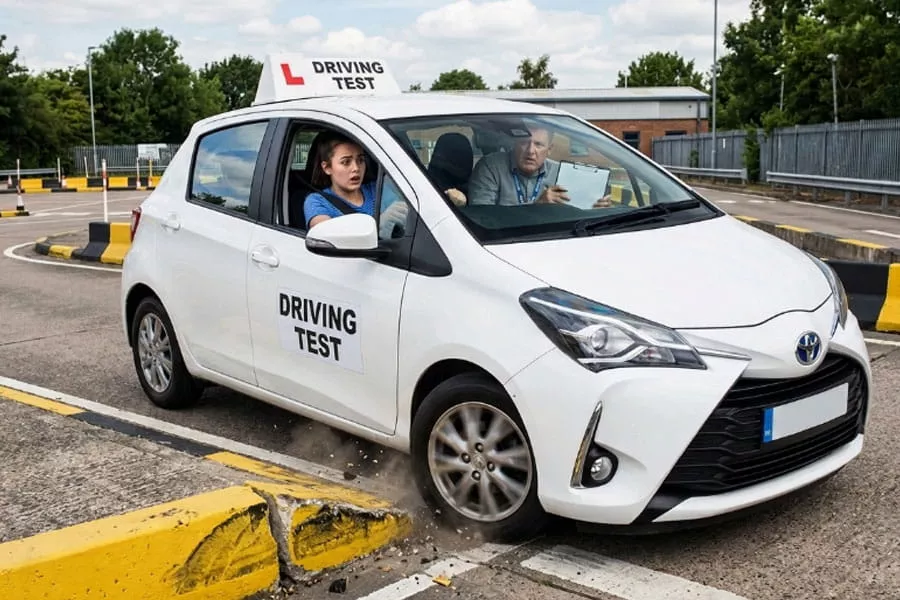
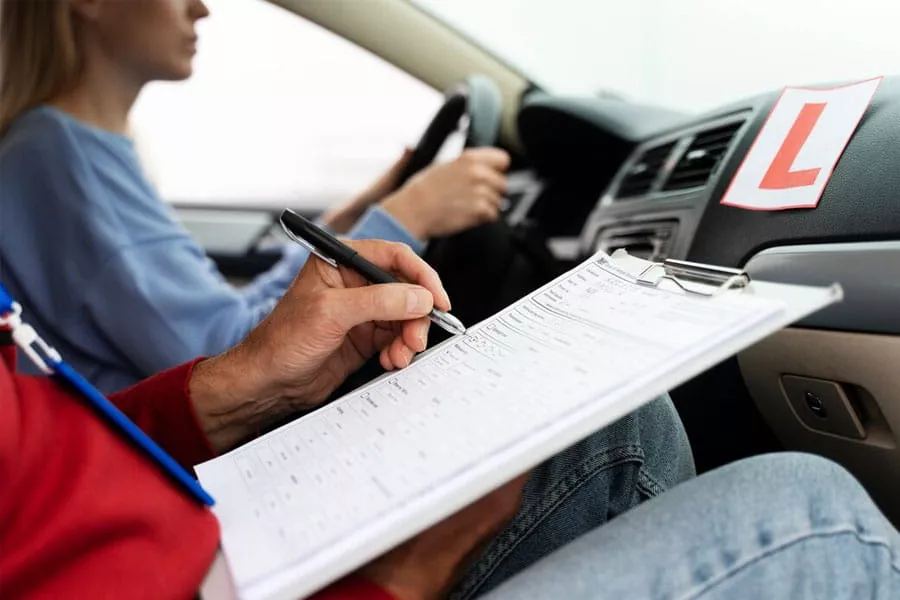
Driving is a big decision. Its first novel experience will make you excited and maybe a little scared. This significant milestone brings freedom and new chances. Still, one big choice comes first. Should someone choose private driving lessons or join a driving school?
Both options can help. However, the best choice depends on the learner’s needs. The next step requires us to examine diverse options which we will compare on their distinct characteristics.
What Do Traditional Driving Schools Offer?
For driving lessons, a driving school is most traditionally deemed essential. These schools follow a set plan. They aim to teach skills step by step.
Most driving schools provide their students with two main options for driving instruction which include group lessons and individual lessons. The program teaches essential driving rules through traffic law education and safe driving practice instruction. At places like All Class Drivers, learners work with a certified instructor. This helps build trust. It also ensures proper driver training from the start.
Here’s what stands out with this option:
Clear lesson plans and structure
Focus on safe and legal driving
Access to trained and skilled instructors
Exposure to real road situations
This setup works well for new drivers. It builds a powerful base. Plus, it gives a steady and guided learning experience.
How Private Driving Lessons Work
Now, let’s look at private driving lessons. These are often one on one sessions. The pace depends on the learner. Some learners prefer this style. It feels more relaxed. There is room for personal learning, which many find helpful.
For example, a shy learner may feel nervous in group classes. In a private setting, they may open up more. As a result, they learn faster.
Private lessons often include:
Custom lesson plans based on skill level
More time behind the wheel
Direct feedback after each session
A calm and focused learning environment
In many cases, this setup suits busy people. It also works well for those who want quick progress.
Private vs Traditional Driving Schools: Key Differences That Matter
While both options teach the same goal, they differ in approach. Understanding these differences can help make a smart choice.
First, flexible scheduling plays a vital role. Private lessons often allow learners to pick times that suit them. On the other hand, driving schools offer fixed schedules.
Next, consider the pace. Traditional schools follow a set path. Meanwhile, private lessons move at the learner’s speed.
Also, the style of driver education can feel different. Group lessons may include shared tips and peer learning. In contrast, private lessons focus only on one learner.
Lastly, think about comfort. Some people enjoy social settings. Others prefer quiet, one on one time.
Private vs Traditional Driving Schools: Which Option Fits Your Learning Style?
Every learner is different. So, the best choice depends on how someone learns best. For instance, a student who likes clear steps may enjoy a structured driving school. They benefit from planned lessons and steady progress.
However, someone who wants more control may prefer private driving. They can focus on weak areas and learn at their own pace. Also, think about time. A busy work schedule may need flexible scheduling. In that case, private lessons may fit better. On the other hand, a beginner with no experience may gain more from full driver education programs.
Real Life Example to Consider
Consider two learners:
One learner joins a driving school. They attend classes twice a week. Over time, they gain confidence. They also learn defensive driving techniques in a safe way.
Another learner chooses private lessons. They focus only on city driving. Their instructor adjusts each session. As a result, they improve quickly in real traffic.
Both learners succeed. Yet their paths look quite different.
Finding the Right Balance
In some cases, learners mix both options. They start with a driving school for basics. Then, they switch to private driving for practice. This mix can work well. It combines structure with freedom. It also improves the overall learning experience.
When choosing, it helps to ask simple questions:
How much time is available each week?
What kind of learning environment feels best?
Whether one prefers group or one on one lessons?
How fast do they want to learn?
These answers can guide the right choice.
Take the Next Step with Confidence!
Choosing the right path for learning to drive makes a significant difference. A good plan builds skill, confidence, and safety.
At All Class Drivers, expert instructors guide each learner with care. Whether someone prefers structured lessons or personal learning, the goal stays the same. Safe and skilled driving.
If the journey to professional driving feels close, now is a wonderful time to begin. Contact us today to start your training and take that next step with confidence.
Frequently Asked Questions
1. What is the main difference between private and traditional driving schools?
Private lessons focus on one learner at a time with custom plans. Traditional driving schools follow a set program with group or fixed sessions for steady and guided learning.
2. Are private driving lessons better for beginners?
Private lessons can help beginners who need extra attention. However, many inexperienced drivers benefit from full driver education programs that cover basics, rules, and safe habits in detail.
3. Do driving schools offer flexible schedules?
Some driving schools offer limited flexible scheduling, but private lessons usually provide more choice. This helps learners plan sessions around work, school, or other daily tasks.
4. How do instructors help improve driving skills?
A certified instructor teaches key skills, corrects mistakes, and builds safe habits. They also guide learners through real road practice and teach important defensive driving techniques.
5. Can someone switch between both learning options?
Yes, many learners start with a driving school and later choose private driving sessions. This mix can improve skills faster and create a more balanced and effective learning experience.
The driving test represents a major assessment point for students who take it. Students demonstrate calmness during practice sessions but experience test day anxiety. This transition creates a situation where students make minor mistakes.
The good news is that most of these slip ups become easy to correct after you learn the specific things to observe. This post analyzes the typical errors which people make and presents the best methods to avoid these mistakes.
Going Too Fast Without Realizing
It often starts without notice. Students often turn onto a wide road and pick up speed. Soon, they drive too fast. Test routes change often, so always watch for the speed limit signs. Do not rely on guesswork. Also, keep in mind that quiet streets need slower speeds.
In one case, a learner felt the road was empty and safe. Still, the car crossed the speed limit for just a few seconds. That was enough to lose points.
So, keep your pace steady. If unsure, slow down a bit and stay in control.
Not Stopping All the Way
This mistake shows up again and again. At stop signs, some students slow down but never fully stop. These are called rolling stops.
A proper stop means the car stands still. No movement at all. Count one second before you go. Also, take a good look both ways. Even if the road seems clear, the examiner needs to see safe habits. Treat every sign as a full stop. No shortcuts here.
Skipping Blind Spots Checks
Many learners trust mirrors too much. Mirrors help, but they miss key areas. That is why blind spots matter. Before you change lanes, take a quick look over your shoulder. It only takes a second. Yet it shows strong awareness.
Some students remember checking their mirrors but forget the shoulder check. That small miss can cost marks. Make it a habit. Mirror, then shoulder, then move.
Trouble Staying in the Right Lane
Lane control looks easy, but many learners fail at it. The car may drift, or the driver may pick the wrong lane. This leads to improper lane use. Keeping the car in the lane’s center works. It shouldn’t be allowed to lean left or right. Plan your moves early, especially before turns.
A few easy ways to stay on track:
Watch the lane lines at all times.
Signal before any lane shift.
Move early for turns.
Keep your steering smooth.
Small lane slips can quickly add up and make you lose points.
Missing Pedestrians at Crosswalks
It is easy to focus only on cars. Yet people on the road matter just as much. Many students forget about yielding to pedestrians. Always scan crosswalks and corners. If someone is near the road, slow down. Be ready to stop.
Even a short delay in giving way can count as a big mistake. The test looks for safe and kind driving habits. Stay alert. People can appear at any time.
Not Looking Around Enough
Driving is more than moving the car. It is about staying aware at all times. Some students forget to keep checking their space. Make a habit of checking your mirrors every few seconds. Do it before you slow down or turn.
Also, keep an eye on signs and signals. The more you see, the better you react. This helps your road test go smoother. Think of it as a steady scan, not a fixed stare.
Letting Nerves Take Over
Even well-prepared students feel stress. That is normal. The trouble starts when nerves take control. A small mistake may happen. That does not mean the test is over. Stay calm and focus on what comes next.
Examiners do not expect perfect driving. They want safe choices and steady control. With the right practice, calm driving becomes natural. That is what training at All Class Drivers aims to build before test day.
Let’s Build Skills That Last!
Passing a driving test is not just about one day. It is about forming safe habits that stay with you. At All Class Drivers, lessons focus on real road skills that help students avoid common mistakes with ease.
From smooth stops at stop signs to proper checks of blind spots, each session builds strong habits. Step by step, students learn to stay calm, aware, and in control. Book a lesson and move closer to passing with quiet confidence.
FAQs
1. What is the most common reason students fail a road test?
Many students fail due to rolling stops, weak observation, and missed blind spots checks. These small errors add up and cause them to lose points during the test.
2. How can speed affect the driving test result?
Going above the speed limit or driving too fast leads to quick penalties. Examiners expect steady and safe speed control at all times, even on empty roads.
3. Why is checking mirrors so important during the test?
Regular checking your mirrors shows you are aware of traffic around you. It helps you make safe moves and avoid sudden actions during the test.
4. What should be done at stop signs during the test?
Always make a complete stop at stop signs. Avoid rolling stops and pause briefly while checking both directions before moving forward again.
5. How can students avoid losing points for lane mistakes?
Stay centered and avoid improper lane use. Plan turns early, signal on time, and follow lane lines to prevent errors and reduce the chance to lose marks.
Your driver’s test marks a big milestone. You feel excited. However, you may also feel nervous. That feeling is normal. Luckily, correct preparation is a big deal.
Many students’ failures can be attributed to their failure to notice trivial details. Others panic under pressure. As such, you require an outline. This teacher-authenticated checklist will make you focused and sure.
Let’s break it down step by step.
1. Review the Driver’s Manual Carefully
First, revisit your state driver’s manual. Do not skim it. Instead, review key rules carefully.
Focus on speed limits, right-of-way rules, and road signs. Additionally, study parking rules and school zone laws. These areas often cause mistakes.
Even if you passed the written test, refresh your memory. Rules fade over time. Therefore, regular review strengthens recall during the exam.
2. Practice Core Driving Skills Daily
Practice builds confidence. However, practice must be intentional.
Work on these essential skills:
Smooth acceleration and braking
Complete stops at stop signs
Proper mirror checks
Blind spot checks
Safe lane changes
Parallel parking
Three-point turns
Moreover, practice in different traffic conditions. Drive during busy hours. Drive in light traffic. This variety prepares you for anything. Consistency matters. Short, daily sessions work better than long, random drives.
3. Master Parallel Parking
Parallel parking often creates stress. However, it becomes simple with repetition. Use cones or markers to simulate cars: practice spacing and steering control. Move slowly and steadily. Do not rush.
Additionally, learn reference points in your vehicle. They help you judge distance. As a result, you park with precision.
4. Eliminate Common Mistakes
Small mistakes cause many failures. Therefore, fix them early.
Avoid these common errors:
Rolling stops
Forgetting blind spot checks
Driving too slowly
Speeding slightly over the limit
Improper hand positioning
Ask someone to observe your driving. Honest feedback helps. Furthermore, recording practice sessions can reveal habits you miss.
5. Take a Mock Road Test
A mock test reduces anxiety. It prepares you for real pressure. Ask a licensed adult or instructor to act as the examiner. Follow directions exactly as you would on test day. Avoid casual conversation.
Treat it seriously. This approach builds mental readiness. Consequently, the real exam feels familiar.
Midway through preparation, many learners seek structured support. Schools like All Class Drivers guide students through realistic test simulations. Their mission is simple: to provide a premium, effective driver education and testing experience. That focus helps students feel prepared and calm.
6. Know the Test Day Requirements
Preparation includes logistics. Therefore, confirm all documents in advance.
Bring:
Your learner’s permit
Required identification
Completed practice log
Automobile insurance and registration.
Also, check the car you’ll be driving. Mirrors, lights, signals, and check brakes. Make sure everything operates correctly.
On failure to pass an inspection, examiners can cancel the test. Thus, do a final verification the previous night.
7. Enhance Offensive Driving
Examiners seek enlightenment. They want safe drivers, not perfect drivers. Keep a safe following distance. Scan intersections early. Check mirrors every few seconds. Anticipate pedestrian movement.
Furthermore, signal early and clearly. Maintain steady speed. Standardizing control is an impressive attribute. Defensive driving demonstrates wisdom on the road. It therefore increases your chances of passing.
8. Prepare Mentally
Success does not require just skills. Mindset matters equally. Sleep well the night before. Eat a light meal. Reach early enough to avoid being in a hurry.
When taking the test, breathe slowly. Pay attention to the instructions. In the event of any little slip, keep calm. Do not dwell on it.
Questioners are conscious of minor mistakes. But bigger mistakes are made when one panics. As such, pay attention to the current moment.
9. Dress and Professional Dressing.
Perception is affected by your attitude. Wear well and easily. Distractors such as loud music should be avoided. Greeting the examiner politely. Meet instructions. Be respectful in communication.
Responsibility is expressed through professional behavior. In addition, it creates a good atmosphere at the beginning.
10. Final Practice the Day Before
Keep practicing the day before the test. Review parking and turns briefly. However, avoid overdriving. Too much practice may increase stress. Instead, focus on confidence. Visualize success. Picture smooth lane changes and clean stops. Confidence grows when preparation meets calm thinking.
Note: Before leaving home, confirm:
Documents packed
Vehicle inspected
Fuel level adequate
Keep Your Phone silent
Appointment time verified
Arrive at least 15 minutes early. This buffer reduces pressure.
Why Structured Preparation Works
Random practice creates gaps. Structured preparation closes them. A checklist has the advantage of tracking progress. You know what to improve. Also, you develop lifelong habits.
Many students have underestimated professional guidance. Nonetheless, professional teaching perfects the skills and enhances self-confidence. The programs, such as All Class Drivers, are aimed at skills development and practical preparation. They still have a mission of offering an effective, simple, and premium driver education and testing experience.
With structured practice and the right guidance from All Class Drivers, you can approach test day with confidence and drive toward success.
It is an exciting and nerve-wracking experience to prepare to take your road test. You do not wish to fail the first try. Nevertheless, many learners question whether real-world driving lessons are useful. Others believe family practice is sufficient. Some favor the professional advice. Worth it then, before the road test, are these lessons? Let’s break it down.
What Are Behind-the-Wheel Driving Lessons?
Behind-the-wheel lessons allow you to sit in the driving seat with a qualified instructor. You train in real-life scenarios on the road. You learn how to deal with traffic, lights, and narrow lanes. Above all, you have confidence.
Structured lessons have a plan, unlike casual practice. Teachers concentrate on road test abilities. They immediately rectify errors. Consequently, you become better faster.
Why Many Learners Struggle Before the Road Test
Many students practice studying for weeks. Still, they feel nervous. There are several reasons.
To begin with, family members might be unaware of test standards. They might skip key skills. They can neglect parallel parking laws, e.g. Second, they pay much attention to everyday driving, but not to test scoring. Thus, students do not get crucial information.
Nerves are also of enormous importance. You might drive well at home. And yet you have a freeze-up in the exam. Professional lessons help alleviate such fear.
The teachers are aware of what examiners require. They not only teach correct lane changes, checking the mirror, and smooth stops, but also teach how to handle the unexpected. In addition, they replicate actual test routes. As such, there is nothing strange during an exam.
2. Immediate Feedback
When practicing alone, it is possible to repeat. But a teacher does correct mistakes immediately. You thus develop more protective habits.
3. Confidence Building
Trust is built through mentoring. You face busy intersections. You do defensive driving. Gradually, fear decreases.
4. Increased Traffic Laws Knowledge
Lots of students forget small, important rules. For example, failures are common with rolling stops. Structured lessons reinforce these rules. Consequently, you avoid expensive mistakes.
Are They Really Worth the Cost?
Cost is a concern for students and parents. There has to be an investment in lessons. Nevertheless, road-test failure is also costly in terms of time and money. You may need to rebook. You may take extra days off.
Thus, the savings of money are usually long-term in professional lessons. They give you a higher chance to pass on your first attempt. Moreover, they reduce stress.
Consider it a safety investment. Driving is a lifelong competency. Some habits help avert accidents. That is not just a pass on the test.
When Should You Take Behind-the-Wheel Lessons?
Timing matters. Preferably, you must attend classes a few weeks before your exam. To begin with, learn the basics of driving under the supervision of a licensed adult. After that, arrange professional meetings.
This strategy is effective since you are familiar with the fundamentals. Then your skills are polished by instructors. They focus on test details. You therefore go into the test ready.
What Skills Do Instructors Focus On?
Professional classes focus on the main areas of the road test:
Parallel parking
Three-point turns
Proper signaling
Lane discipline
Fluid acceleration and deceleration.
Defensive driving
There is also training by instructors to remain calm. They are taught breathing methods. They encourage focus. Hence, you are likely to cope with pressure.
During this stage, most learners opt for schools they have confidence in, such as All Class Drivers. They appreciate the systematic instructions and the professional teachers. Consequently, they are better equipped on the eve of test day.
How Lessons Improve Safety Beyond the Test
Passing the test matters. Nevertheless, it is safer to drive.
Awareness is enhanced during behind-the-wheel driving lessons. You learn to predict hazards. You are taught to keep safe distances. Moreover, you train driving at night and on highways where you can merge.
Such experiences provide real-world driving training. Thus, lessons provide long-term advantages.
Comparing Practice With Family vs. Professionals
Both options help. Nevertheless, they are used in other ways.
Family members are supportive and accommodating. You can practice anytime. Nevertheless, they can ignore errors. They can also transmit poor habits.
According to professional standards, teachers are expected to be strict. They evaluate objectively. They get you ready to meet the scoring requirements. Thus, their feedback is more trustworthy.
A mix of the two strategies is usually the most effective. To begin with, establish a sense of comfort with family. Next, practice with a professional trainer.
Common Mistakes That Lessons Help Prevent
Several students have failed because of minor mistakes. These include:
Forgetting blind spot checks.
Rolling through stop signs
Poor parking alignment
Going faster than necessary.
Waiting too long at the crossroads.
The lessons behind the wheel are handled early on these issues. Thus, one is not caught unawares during the test.
Mental Preparation Matters Too
Confidence has an impact on performance. You may know every rule. Nevertheless, anxiety may influence judgment.
Professional instructors make up mock tests. They simulate exam pressure. Consequently, you get used to evaluation.
Besides, they exchange useful tips. As an example, they recommend the regularity of breathing and comprehensibility. These tiny tricks require a lot of concentration.
So, Are They Worth It?
In most cases, yes. Structured guidance is offered through the behind-the-wheel driving lessons. They increase confidence. They reduce mistakes. But most importantly, they will increase your probability of passing.
The practice with family is helpful; however, knowledge gaps are bridged with professional teaching. It makes you ready to take actual exams. Thus, numerous students gain a lot. It is a big milestone in driving. You are willing to begin well, without fear. Proper training investment helps in that objective.
If you want focused preparation and experienced guidance, consider All Class Drivers. They help learners refine skills, build confidence, and approach the road test with clarity.
Driving is a very thrilling thing to learn. Yet, it involves the duties and regulations that every beginner driver should know. You should be mindful of what it takes to pass your driver’s test before you go on the road. This guide will also break down the key steps and prepare you with confidence.
Understanding the Basics of the Drivers Test
A driver’s test ensures you have the knowledge and skills to drive a car safely. The process usually consists of two parts: a written test and a practical driving test. The written exam evaluates knowledge of traffic laws, road signs, and safe driving habits. The practical examination tests your driving skills in the real world, i.e., on city streets, highways, or parking lots.
Most states require a learner permit period before scheduling a full driver’s test. This is when you are working under supervision to acquire much-needed experience. This is an important step you should complete, as it forms the basis for safe driving behavior.
Eligibility Requirements for New Drivers
You must meet specific eligibility requirements before you take the driver’s test. One of the major ones is age. The age of drivers, however, is usually 16 or 17 years, depending on the state. The new drivers also usually must have served a specified period with a learner permit, usually 6 months to 1 year.
Identity and residency must also be verified. Documents such as a birth certificate, passport, or Social Security card are all welcome. In some states, new drivers must also take a driver education course. These courses cover basic topics such as road rules, defensive driving, and emergency procedures.
Preparing for the Written Test
The written exam may be a tedious task when you are not ready. To be successful, you need to read the driver’s handbook of the state where you live. Pay attention to road signs, road regulations, and road safety. Online practice tests are also available in several states. These are perfect for getting acquainted with the question format and test timing.
The written exam requires time management. Do not hurry; read each question carefully. Details matter, and any lapse of attention can lead to a wrong response. Also, keep in mind that practice will boost your confidence and reduce the anxiety you have on test day.
Practicing for the Driving Test
A practical driving test is when your abilities are tested. You should demonstrate safe use of your car, including good acceleration, braking, and steering. Examiners usually examine your skills in making the right turns, changing lanes, and parking.
To train, work in other settings. Motorcycling to residential areas helps you handle stop lights and pedestrians. Highway practice helps ensure safe merging and the right speed. Moreover, it is essential to practice parallel parking and a three-point turn, which are usually among the exam skills.
All Class Drivers acknowledge the value of practice in driving that is supervised. With the help of experienced educators, one can get guidance to eliminate bad habits before they get out of hand. Regular practice will increase your chances of passing the initial driving test.
Common Mistakes to Avoid
During the test, new drivers often make mistakes that could be avoided. Common errors include failing to check the mirrors, incorrect signaling, failing to roll through stop lights, or indecisiveness at the intersection. It may also be the problem of overconfidence. The role of careful driving should not be undermined.
Poor vehicle control is another standard error. Always make sure that your car is in good condition, the brakes are responsive, and that all the lights work. However, even if your driving skills are good, mechanical problems may result in automatic failure.
After Passing the Test
Passing the test, congratulations! You will also be provided with a driver’s license, and this will enable you to drive anywhere freely. But it is not the end of passing the test. Safety, awareness of road conditions, and adherence to road laws are part of responsible driving and require continuous focus.
The new drivers also enjoy more specialized defensive driving training programs. These programs enhance response times, risk identification, and judgment in a stressful situation. These skills will reduce most accident risks and make you a better driver overall.
Long-term Driving Success Tips
To live by the golden rule of safe driving, there are a few things that can be abided by. Wear your seatbelt, and make sure the other passengers do too. Do not distract when driving by texting or eating. Maintain a safe distance from other cars and adjust your speed to the road conditions.
Periodic car repairs are also of importance. Test tire pressure, brakes, and fluid levels regularly. This avoids any unforeseen failures that may jeopardize safety. Also, keep revisiting traffic laws over time, as rules can evolve.
All Class Drivers would advise all new drivers to take the test seriously and with concentration. It is not only about passing a test, but also about acquiring a habit that will save you and others on the road. All Class Drivers is dedicated to ensuring new drivers succeed and to building a culture of safe, confident drivers over the years.
Learning to drive is a significant turning point in one’s life as it opens up new avenues and instills self-assurance. It is also accompanied by anxiety, curiosity, and a prolonged list of prerequisites. Many students once relied on the DMV alone. Today, a growing number choose a private driving school instead. The shift feels natural when daily life moves fast and expectations keep rising.
Parents, teens, and adult learners want more than a checklist. They want guidance that feels human, lessons that stick, and a smoother path to a driver’s license without additional stress. This change shows up clearly across communities and high school campuses.
Here are the reasons why private schools continue to gain trust and attention:
The DMV Path Can Feel Rushed and Impersonal
The DMV plays a significant role. It sets standards and handles testing. Actually, the entire procedure often feels somewhat pressed for time. Appointments can be hard to secure. Staff rotate often. Time for questions stays limited.
Many students describe long waits followed by short interactions. That structure works for paperwork, not always for learning to drive. A new driver needs patience and repetition. Mistakes happen. Confidence grows slowly.
Private programs approach this differently. They design each driving lesson around the student. Progress happens at a steady pace. Instructors notice habits early. Small corrections prevent bigger issues later. As a result, the learning process feels calmer and more supportive.
Structured Driver Education Builds Real Confidence
An effective driver education program consists of both theory and practice. Typically, private institutions provide classroom teaching and practical driving training together. This combined approach makes it easier for the learners to see the reason behind the rules and not only learn to obey them.
In class, students review rules of the road using real world examples. They discuss intersections, right of way, and defensive choices. Stories from local roads make lessons relatable. Then those ideas move straight into the car.
Behind the wheel, instructors guide every step. They explain decisions in real time. They repeat skills until they feel natural. Over time, students stop memorizing steps and start thinking like drivers.
This approach creates a better learning experience. Confidence grows through understanding, not pressure.
Flexibility Matters for Busy Schedules
Modern schedules feel packed. School, work, sports, and family all compete for time. The DMV rarely adapts to that reality. Test slots can book weeks ahead. Rescheduling often causes delays.
Private schools offer flexible options. Lessons can happen after school or at weekends. Some programs adjust pacing for fast learners. Others slow down when extra practice helps. This flexibility supports both teen drivers and adults returning to the road.
All Class Drivers understands this need well. Programs fit around real lives, not the other way around. That respect for time reduces stress and keeps students focused.
Better Preparation for the Road Test
Passing the road test requires more than basic control. It demands awareness, judgment, and calm under pressure. Many students fail because they feel unprepared, not incapable.
Private instructors know local testing routes. They practice common scenarios ahead of time. Students learn how examiners think and what they watch for. Parallel parking stops feeling mysterious. Lane changes feel predictable.
Focused preparation increases first try success. It also creates safer drivers afterward. Skills learned for the test continue on real roads.
Common areas students practice include:
Smooth starts and controlled stops
Lane positioning and signaling
Observation at intersections
Parking in tight spaces
These sessions turn anxiety into readiness.
Personalized Support Helps All Ages Learn Faster
Driving is not just for teens. Many adults seek lessons after moving, changing jobs, or returning to driving. A one size approach rarely works across ages.
Private schools tailor lessons by experience level. Teen drivers often need confidence and rule reinforcement. Adults may need refreshers or habit adjustments. Instructors adapt language and pacing to match the learner.
This personalized support helps students progress faster. It also creates trust. When learners feel understood, they ask questions freely. That openness leads to safer habits.
Safety and Accountability Stay Front and Center
Safety matters at every stage. Private schools maintain their vehicles carefully. Instructors receive ongoing training. Lesson plans follow state guidelines closely.
Students also benefit from consistent instruction. The same instructor tracks progress over time. They notice patterns and address concerns early. This continuity supports long term improvement.
Parents often appreciate clear feedback. Updates explain strengths and areas to practice. That transparency builds confidence in the process.
Why Families Trust All Class Drivers
All Class Drivers focuses on building confident drivers, not just passing tests. Programs balance patience with high standards. Each student receives guidance that feels practical and encouraging.
The school emphasizes clear communication and calm instruction. Lessons feel approachable. Mistakes become learning moments, not setbacks.
By combining flexible scheduling, strong instruction, and real-world practice, the school creates drivers who feel ready for everyday roads.
Ready to Take the Next Step Toward Confident Driving? Start Learning the Right Way Today!
Choosing a private school often means choosing peace of mind. The path feels clearer. The support feels steady. Confidence grows lesson by lesson.
All Class Drivers offers a thoughtful approach to driving school training. Students gain the skill that is not just valuable for the day of their driving test but also for the whole life without fear of getting lost on the road ahead.
Safe habits and true self-confidence are now very timely and necessary to be developed. A strong start leads to better driving for years to come.